Click to Play
Classic Tetrix
Puzzle4.61.6K plays
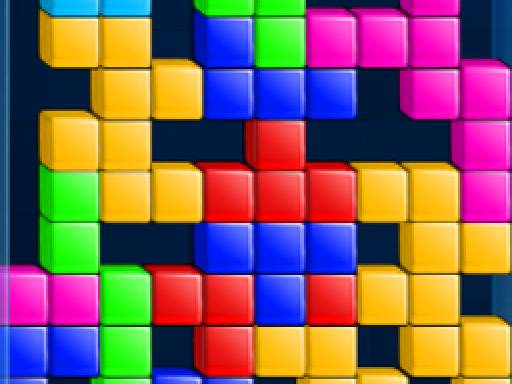
Players complete lines by moving differently shaped pieces (tetrominoes), which descend onto the playing field. The completed lines disappear and grant the player points, and the player can proceed to fill the vacated spaces. The game ends when the playing field is filled. The longer the player can delay this outcome, the higher their score will be.
How to Play
Classic Tetrix sneaks in harder ideas the longer you play — blink and you'll miss them. Pacing matters more than speed — take your time on early levels to learn the systems. Controls: Click or tap to select and place pieces. Most puzzles allow undo, so don't be afraid to experiment with a move before committing. Tips to get better: Early levels are practice. Use them to learn the rhythm before the difficulty spikes. The first boss or big challenge usually teaches you a mechanic you'll need for the rest of the game. Power-ups are more valuable when you save them for the moment you're about to lose. If you're drawn to games with a classic, tetrix flavor, Classic Tetrix hits that spot cleanly. Classic Tetrix is short-session friendly but gets surprisingly deep if you stick with it.